
Beyond Automation:
Powering Physical AI & Robotics
Robotics is transitioning from experimental pilots to real-world deployment as industries face increasing pressure to improve efficiency, consistency, and scalability
Why Robotics Matters Now
Robotics Adoption Is Accelerating
-1.jpg?width=1920&height=647&name=%E5%B7%A5%E4%BD%9C%E5%8D%80%E5%9F%9F%201%20%E8%A4%87%E6%9C%AC%2011%20(1)-1.jpg "Robotics Adoption")
.jpg?width=520&height=1150&name=%E5%B7%A5%E4%BD%9C%E5%8D%80%E5%9F%9F%201%20%E8%A4%87%E6%9C%AC%2025%20(1).jpg "Robotics Adoption Mobile")
Robotics Applications Driving Real-World Deployment
.jpg "Robotics Applications Driving Real-World Deployment")
.jpg?width=396&height=2000&name=%E5%B7%A5%E4%BD%9C%E5%8D%80%E5%9F%9F%201%20%E8%A4%87%E6%9C%AC%2024%20(2).jpg "Robotics Applications Driving Real-World Deployment Mobile")
Why Robotics Needs Purpose-Built IPC Hardware
As robotics systems scale beyond controlled environments, hardware becomes a defining factor in long-term performance and stability. Robotics workloads run continuously, process large volumes of sensor data, and operate under real-time constraints. These demands place sustained pressure on computing, connectivity, power, and thermal design that traditional automation hardware was not designed to handle.
As robotics systems scale beyond controlled environments, hardware becomes a defining factor in long-term performance and stability. Robotics workloads run continuously, process large volumes of sensor data, and operate under real-time constraints. These demands place sustained pressure on computing, connectivity, power, and thermal design that traditional automation hardware was not designed to handle.
AI Compute Platforms for Robotics Workloads
.jpg "AI Compute Platforms for Robotics Workloads Powered By NVIDIA Jetson")
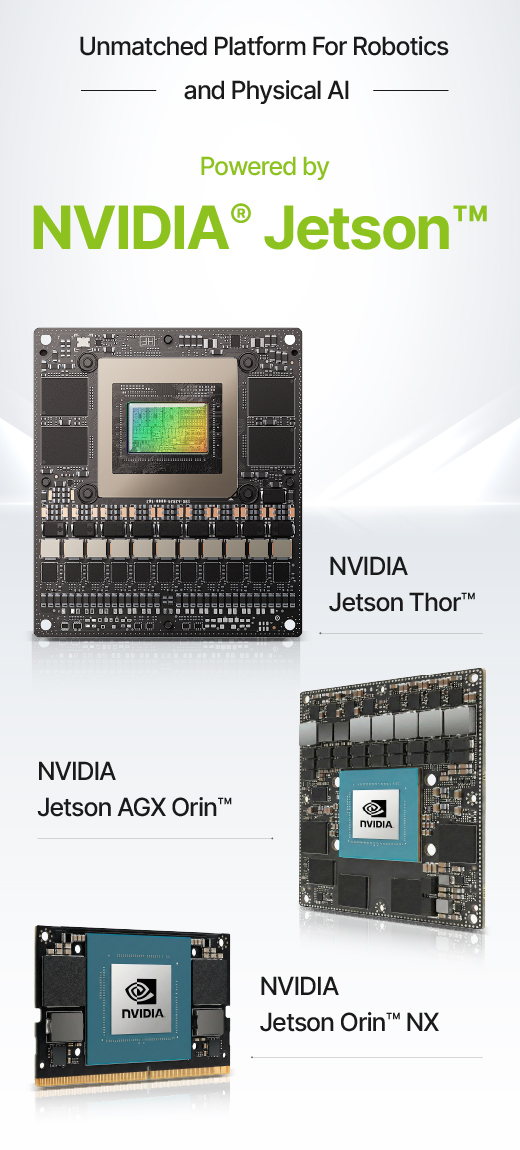
As an NVIDIA® preferred partner, EverFocus offers a range of NVIDIA Jetson™–based compute options to support diverse robotics and physical AI workloads. These platforms are designed to address varying performance requirements, power budgets, and form factor constraints, enabling system integrators and developers to select the appropriate hardware foundation for their deployment needs.
Explore EverFocus Robotics Compute Platforms
-1.png?width=400&height=400&name=Untitled%20design%20(1)-1.png "Untitled design (1)-1")

• Powered by NVIDIA Jetson T5000™
• Up to 2070 FP4 TFLOPS of AI compute
• 12 x GMSL2 camera FAKRA Z code interface
• 2 x 5 GbE LAN, 2 x CAN-FD
• 4 x USB 3.2, 1 x Audio (optional)
• Power input 19 ~ 36 VDC

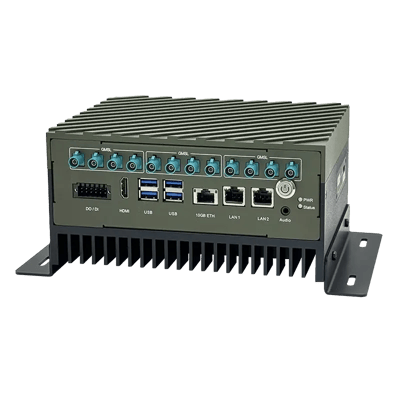
• Powered by NVIDIA Jetson Orin™ AGX
• Multiple I/O interface connections for data collection
• GbE LAN, USB 3.2, Series Ports, CAN-FD, HDMI
• Wide range power input 9 ~ 36 VDC

• Powered by NVIDIA Jetson Orin NX
• Provide M.2 M-key 2280 with PCIe Gen3 x4
• 3 x M12 X-coded GbE port
• 2 x CAN FD interface with isolation feature
• 4 x GMSL2 camera FAKRA Z code interface
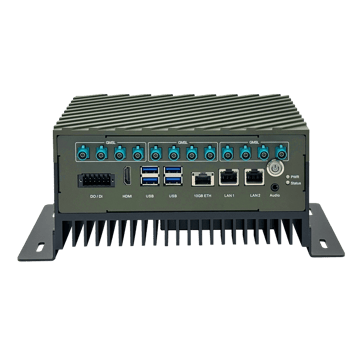
• Powered by NVIDIA Jetson T5000™
• Up to 2070 FP4 TFLOPS of AI compute
• 12 x GMSL2 camera FAKRA Z code interface
• 2 x 5 GbE LAN, 2 x CAN-FD
• 4 x USB 3.2, 1 x Audio (optional)
• Power input 19 ~ 36 VDC
• Powered by NVIDIA Jetson Orin™ AGX
• Multiple I/O interface connections for data collection
• GbE LAN, USB 3.2, Series Ports, CAN-FD, HDMI
• Wide range power input 9 ~ 36 VDC
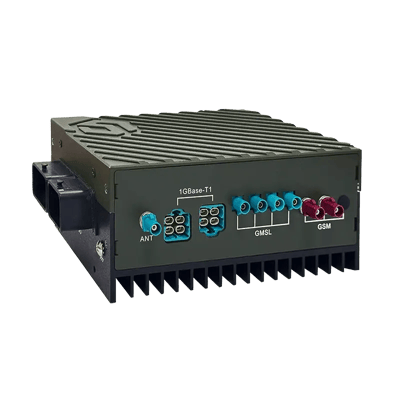
• Powered by NVIDIA Jetson Orin NX
• Provide M.2 M-key 2280 with PCIe Gen3 x4
• 3 x M12 X-coded GbE port
• 2 x CAN FD interface with isolation feature
• 4 x GMSL2 camera FAKRA Z code interface
-1.jpg "Why EverFocus?")
.jpg?width=520&height=1850&name=%E5%B7%A5%E4%BD%9C%E5%8D%80%E5%9F%9F%201%20%E8%A4%87%E6%9C%AC%2026%20(1).jpg "工作區域 1 複本 26 (1)")